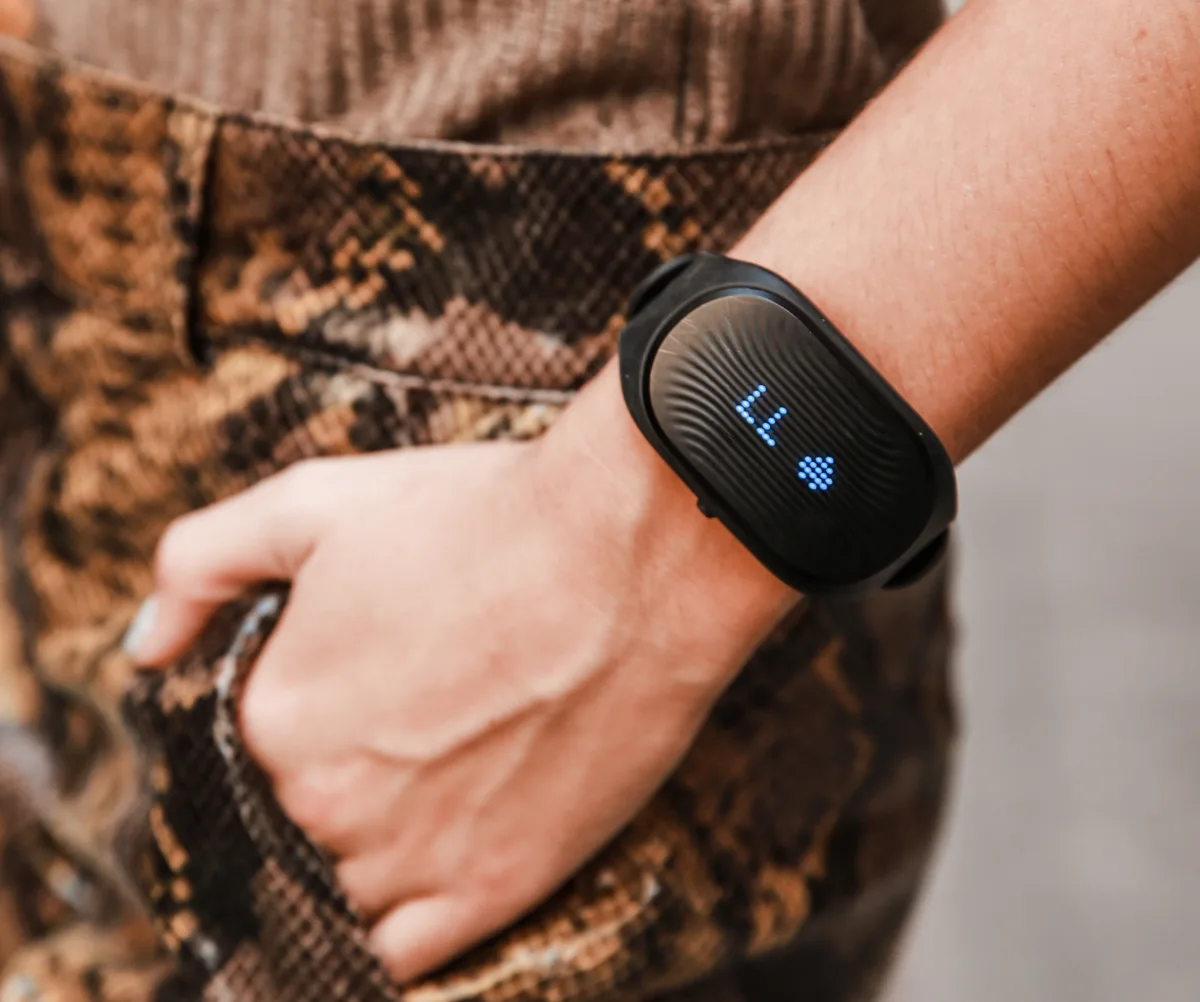
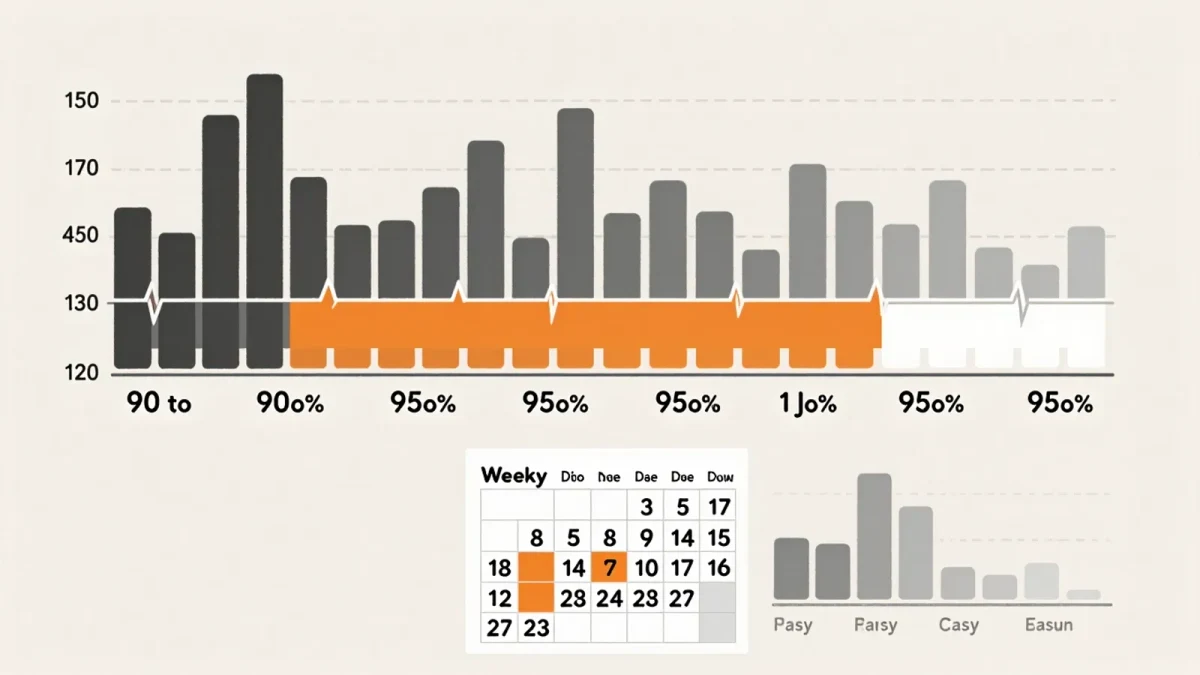
Buy for the number you will act on: heart rate reads close to a chest strap in lab tests, calorie burn does not, and sleep scores work best as weekly trends. Accuracy, features, and comfort decide the right pick.
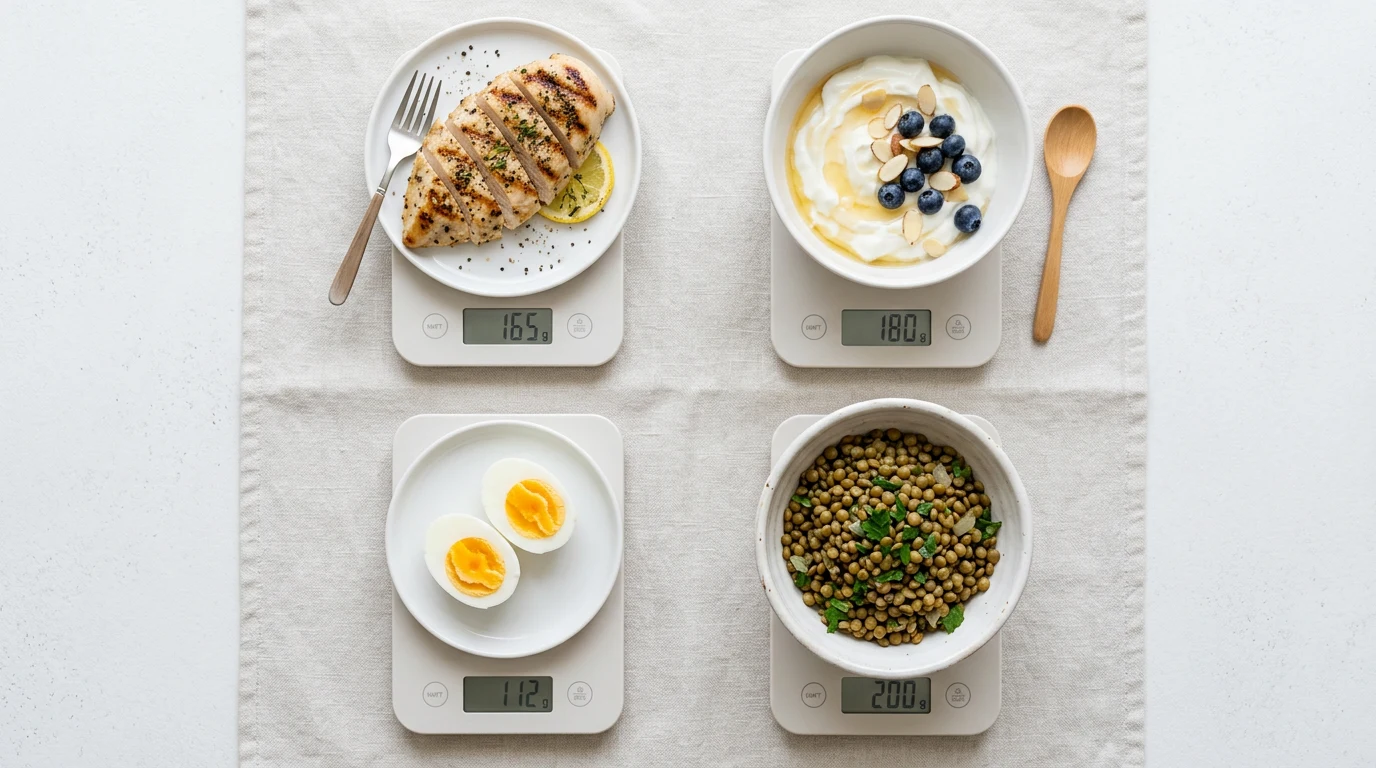
A 2018 meta-analysis of 49 trials and the leading sports-nutrition position stand point to a real number — and it is not the government's baseline recommendation.
VO2 max responds to training by roughly 10 to 20 percent in most adults, and the protocols that work best share one feature: intervals near 90 percent of maximum heart rate.
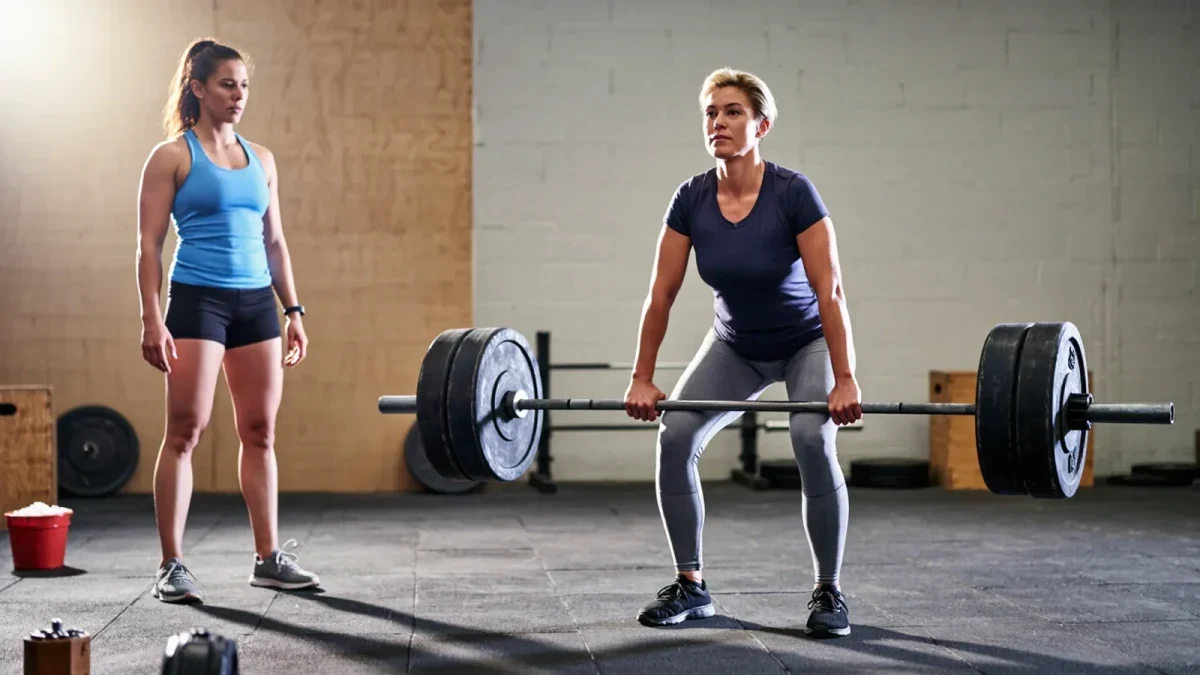
Heavy, progressive lifting is among the best-evidenced tools for protecting bone and muscle after menopause, and the trial results favor intensity over gentleness.
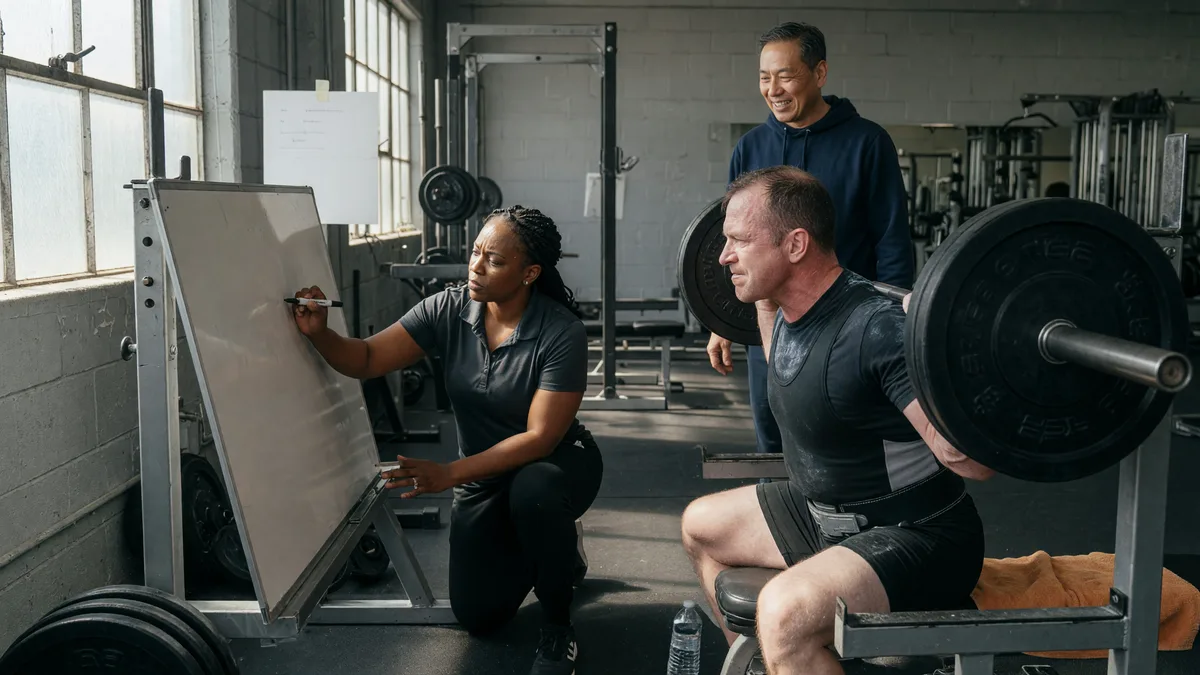
Time off does not erase your training. What detraining research reveals about muscle memory, movement skills the brain keeps, and why regaining fitness beats starting over.
Heat training expands plasma volume and can lift endurance performance in weeks — modestly, per small trials — but it takes real heat and real caution.
Decades of trials point to real strength and power gains from creatine monohydrate — but the effect size depends on who's taking it, and the kidney fears haven't held up.
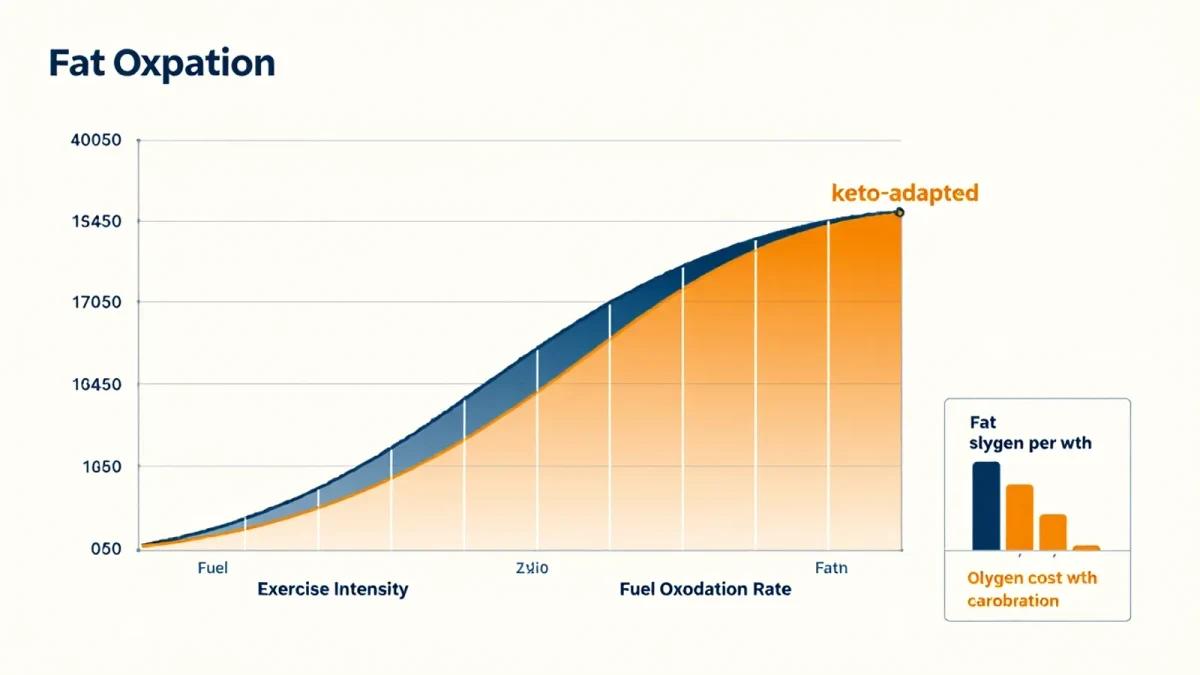
Low-carb training genuinely rewires fat burning — and in controlled trials with elite endurance walkers, it either matched or slightly worsened race performance.
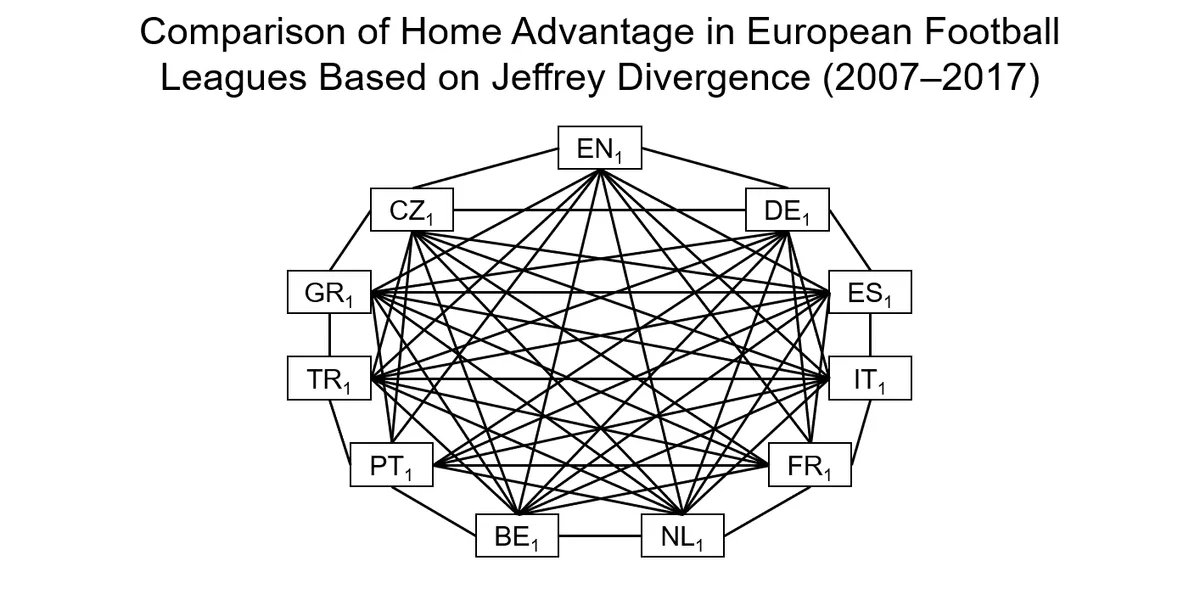
Teams win at home more often, and the reasons are measurable. What the data says about crowds, travel, familiar venues, and the debated role of referees.