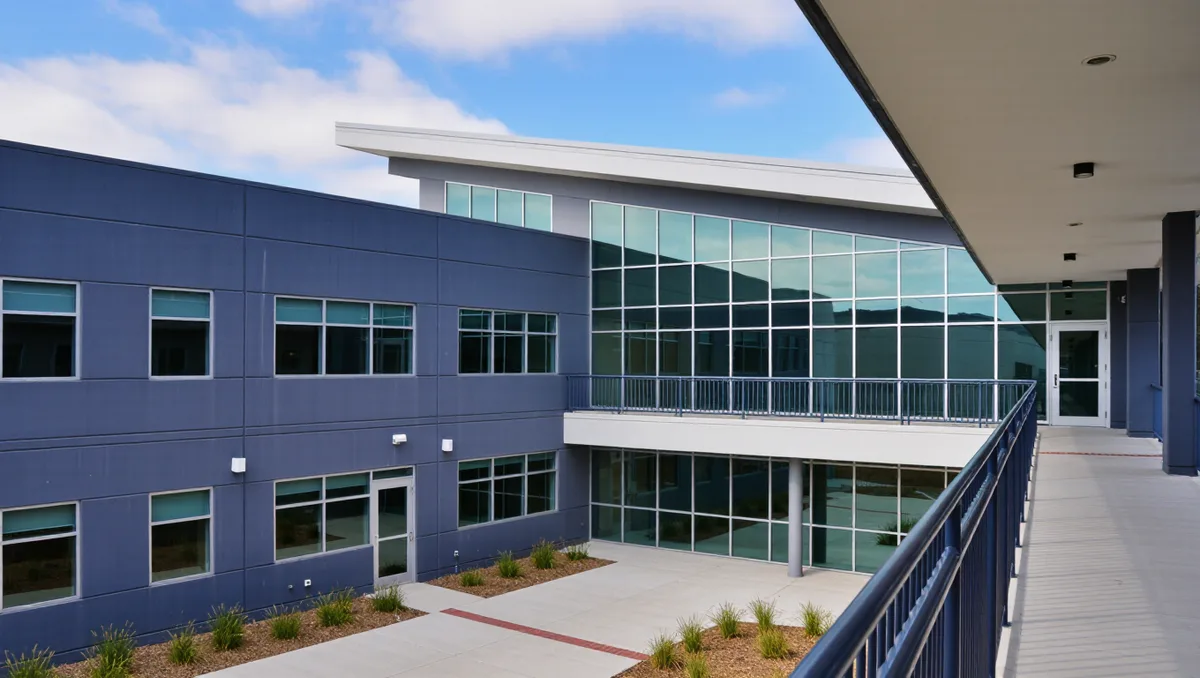
Special Olympics athletes in Albany collected their medals at a ceremony held at the Kevin G. Langley School, and the details of that day are worth a closer look. According to WRGB, Albany police officers handed out the medals as part of their partnership with the Center for Disability Services. The athletes earned them across running, basketball, badminton and bowling.
The news itself is small. The lesson is not. A community that shows up, a police department that builds relationships through sport, and student-athletes choosing their own events — those three ingredients are repeatable anywhere, and they cost nothing but organization. This guide pulls them apart, because the mechanics of a good recognition day matter long after this news cycle moves on.
For readers who follow our athletes coverage, the through-line is familiar: recognition done well is a training outcome in its own right. Done badly, it is just a photo op.
Why do police officers hand out the medals?
Because the partnership is the point, not the podium. Deputy Chief Melissa Morey told WRGB the department wants to "build these bridges," so that anyone in the community with an issue can "put a face to the name, they know who we are, they're comfortable reaching out." A medal ceremony is a low-stakes setting where that familiarity gets built.
It is also a smart division of labor. The school hosts, the service organization partners, the police distribute, the community cheers. Each group does the one job it is genuinely good at. That is the transferable blueprint: a recognition event works best when no single institution carries it alone.
For a coach or organizer planning something similar, the practical reading is simple. Ask which local institutions already have a reason to be in the room, then give them a role that fits. An officer handing a medal to a young athlete creates a moment no printed certificate can match — and, per Morey's framing, it works in both directions.
What can other communities copy from the Albany model?
The WRGB report gives a short checklist, whether it intended to or not:
- A named, local venue — in this case the Kevin G. Langley School — so the event belongs to a place people know.
- An organizational partner, here the Center for Disability Services, providing continuity between the games and the ceremony.
- A visible civic presence, the Albany police, distributing the medals.
- A crowd described simply as "a community" that "cheered on the winners."
- Awards presented after the competition, not instead of it.
None of this requires a budget line. It requires someone willing to make three phone calls. The order matters too: the games came first, the ceremony second. Recognition that follows competition carries weight; recognition staged for its own sake does not.
Why does the choice of sports matter?
Because the student-athletes chose. WRGB reports they picked "from a variety of sports, including running, basketball, badminton and bowling." That range is the quiet headline. Running rewards sustained effort, basketball rewards team play, badminton rewards hand-eye precision, bowling rewards repetition and control. One athlete's strengths are another's afterthought, and a program offering all four lets each competitor find the event that fits.
That principle — match the sport to the athlete, not the athlete to the sport — is the same one that separates good developmental programs from mediocre ones at every level. We have made a similar argument about the value of broad sampling in Early Specialization vs. Multisport: What Research Says. The Albany program applies it without needing a single study to justify the choice.
There is also a competitive-integrity angle worth naming. Multi-sport choice widens the pool of athletes who can win. More medals distributed across more events means more athletes experience the specific thing a ceremony exists to deliver: being honored in front of people who know what the medal cost.
What makes a medal ceremony land for the athletes?
The Albany report is thin on ceremony detail, so this section stays within what the source supports — and what it does support is telling. The community was present. The medals came from officers the athletes may now recognize by face. The event happened at their own school. Those are the conditions under which recognition feels earned rather than performed.
The broader point for organizers: the audience is not a nice-to-have. An award handed over in an empty gym is a transaction. The same award, with a crowd cheering as WRGB described, becomes an event the athlete remembers. If you are building a recognition day, spend your effort on the room, not the ribbon.
It is also worth saying plainly what this piece is not. It is not training or medical guidance, and anyone making individual decisions about a athlete's participation should work with qualified professionals who know the person.
Where does this fit in the bigger picture of honoring athletes?
Local ceremonies like Albany's sit at the base of a pyramid that runs up through regional competitions and national recognition. The mechanics differ; the function does not. Every level answers the same question — who showed up, who improved, who won — and answers it in public. Our wider coverage of how recognition systems actually work, including Seacoast Athletes of the Week Vote Is Open: What the Ballot Actually Rewards, keeps returning to the same test: does the reward track the effort? We covered a connected angle in Seacoast Athletes of the Week Vote Is Open: What the Ballot Actually Rewards.
A medal for a bowling title passes that test as cleanly as a medal for a marathon. The distance between the two is smaller than most coverage assumes, and Albany's ceremony — school gym, police medals, four sports, one cheering community — is a working demonstration of why.
The durable takeaway is this: recognition is a system, not a moment. Build the partnerships, offer the choice, hold the ceremony after the work, and fill the room. Do those four things and the medals take care of themselves.