Athlete's foot is a common fungal skin infection that usually shows up between the toes as itching, peeling, or cracked skin. It gets its name for an obvious reason: it spreads easily in the warm, damp environments athletes share — locker rooms, pool decks, shared showers. The good news is that it is generally treatable with widely available antifungal products, and prevention comes down to a handful of dull, reliable habits.
This guide explains what the condition is, what treatment typically looks like, and how to lower your risk of catching it or passing it on. One qualification up front: this is general information, not medical advice. If symptoms are severe, spreading, or not improving, the right move is a conversation with a pharmacist or a qualified clinician, not a tougher self-diagnosis. For related coverage, see Sleep and Athletic Performance: What Teams Track.
A note on the name. The term borrows its credibility from Cambridge Dictionary's definition of an athlete as someone who competes in sport — the infection is named for the people most exposed to it, not because athletes are somehow prone to skin trouble by nature. Anyone who walks barefoot through a shared wet floor can pick it up, whether they train or not. That distinction matters, because the fix is environmental, not athletic.
What exactly is athlete's foot?
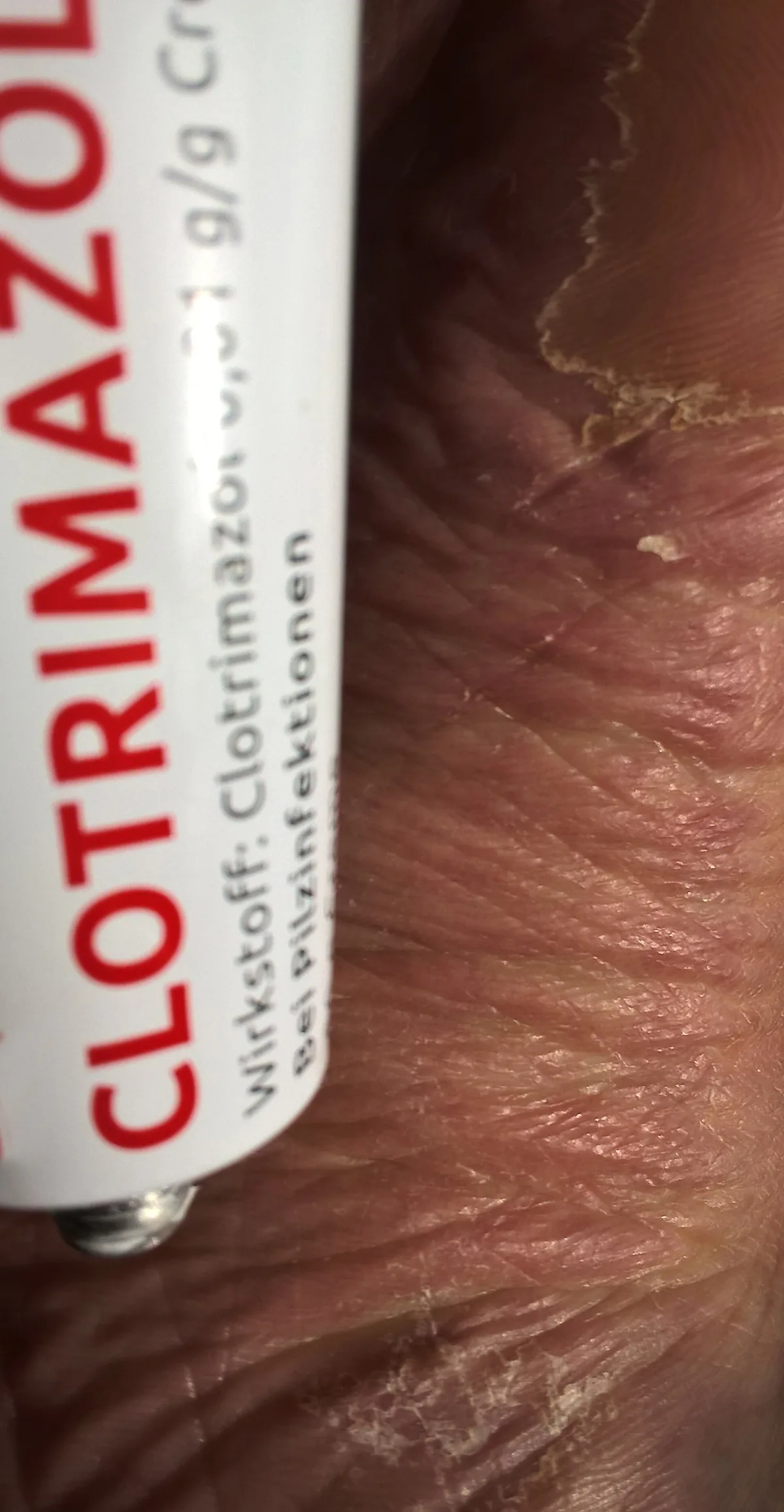
Athlete's foot is a fungal infection of the skin, most often on and between the toes. Fungi of this kind thrive in warm, moist, enclosed spaces — exactly the conditions inside a sweaty shoe worn for a two-hour session. The result is usually itching, redness, flaking, or splitting skin, sometimes with blistering in more irritated cases.
The same family of fungi can cause related problems elsewhere on the body, which is worth knowing because it explains how infections travel. Skin can carry the fungus to other areas by contact, and shared towels or floors can spread it between people. It is contagious, which is the whole reason locker-room etiquette exists.
It is also extremely common, and having it says nothing about your hygiene or your fitness. Serious athletes, casual gym-goers, and people who never exercise all catch it. The honest framing: it is an inconvenience, not a verdict.
How is athlete's foot treated?
Treatment usually starts with an over-the-counter antifungal product — a cream, spray, or powder applied to the affected skin. These products are designed to kill the fungus or stop it growing, and they are the standard first step for mild cases. Follow the product's own directions, and keep applying for the full course listed on the packaging even after the skin looks better; stopping early is a well-known way to invite the infection back.
That said, the details — which product, how long, how often — should come from the packaging and, where there is any doubt, from a pharmacist. This article deliberately avoids prescribing specific products or regimens, because the right choice depends on the person, the severity, and any other skin conditions in play.
When should you escalate? If the skin is badly cracked, blistered, or painful; if the infection appears to be spreading beyond the foot; if you have diabetes or a condition that affects skin healing; or if an over-the-counter approach is not working, see a doctor. Persistent or worsening infections deserve a proper diagnosis rather than another round of guesswork. A clinician can also confirm the problem actually is fungal — several other skin conditions look similar and need different treatment.
What actually prevents it?
Prevention is unglamorous and effective. The fungus needs moisture, warmth, and a surface to live on. Remove any one of those and you make life much harder for it. The habits below are the basic toolkit, described in general terms because the evidence base for specific routines varies:
- Dry your feet thoroughly, especially between the toes. This is the single most repeated piece of prevention advice, and it follows directly from how the fungus lives. A towel reserved for your feet, used after every shower, is a cheap investment.
- Wear footwear in shared wet areas. Locker rooms, pool decks, communal showers — the classic transfer zones. Sandals or flip-flops in these spaces are the standard defensive move.
- Rotate shoes and let them dry out. A shoe worn day after day never fully dries. Giving footwear time to air out between sessions reduces the damp environment the fungus needs.
- Use clean, dry socks and change them when they get wet. Sweat-soaked socks worn for hours are the ideal incubator. Fresh socks after training are a small habit with an obvious payoff.
- Don't share towels or footwear. Shared kit is a direct transfer route. This applies double in team settings, where kit loops through several people in a week.
Notice what is missing from that list: anything expensive or complicated. Prevention is mostly laundry and footwear discipline. Our analysis is that this is where most athletes fail — not through ignorance, but because the habits are boring and the payoff is invisible. The infection you never catch generates no story.
What does this mean for training?
For most athletes, a mild case of athlete's foot is a nuisance rather than a training problem. But there are practical reasons to deal with it promptly rather than training through it. Cracked, broken skin is a barrier failure, and broken skin is more vulnerable to other problems. Scratching also risks spreading the fungus to hands or other body parts, and sharing mats, kit, or pool space while infected passes it to teammates.
Team environments deserve particular attention. A single case in a squad that shares changing facilities can quietly become several. Coaches and team managers who take the boring prevention steps seriously — footwear rules in changing rooms, laundry routines, a culture where players treat a skin complaint as reportable rather than embarrassing — protect availability. Availability, as any analyst will tell you, is the stat that underwrites every other one.
There is also a broader point about athlete maintenance. Skin health sits alongside the better-publicised pillars of recovery — the sleep and fuelling work that gets the headlines. A squad that tracks sleep and athletic performance in detail but ignores a spreading fungal problem in the changing room has its priorities slightly scrambled. Small things compound. This connects to our earlier piece, What the Evidence Says About Creatine and Athletic Performance.
When to see a professional
To repeat the central line of this guide: this is information, not medical or training advice. A pharmacist can advise on over-the-counter options for straightforward cases. A doctor is the right call for severe, spreading, painful, or stubborn infections, for anyone with diabetes or compromised skin healing, and for any case where the diagnosis is uncertain. Children with persistent skin complaints should be seen by a clinician rather than treated on guesswork.
The decision framework is simple. Mild, clearly improving, no other health complications: sensible self-care with an appropriate product is reasonable. Anything outside that description: get it looked at. Skin problems are among the cheapest things in sport to fix early and among the more annoying to fix late.
The takeaway
Athlete's foot is a common, contagious fungal infection that thrives in the warm, wet spaces athletes share. Treatment typically begins with over-the-counter antifungal products used exactly as directed, with professional help for severe or stubborn cases. Prevention is a short list of unglamorous habits — dry feet, footwear in shared wet areas, rotated and dried shoes, clean socks, no shared towels. None of it is exciting. All of it works better than hoping. Do the boring bits, and the infection stays a footnote rather than a storyline.