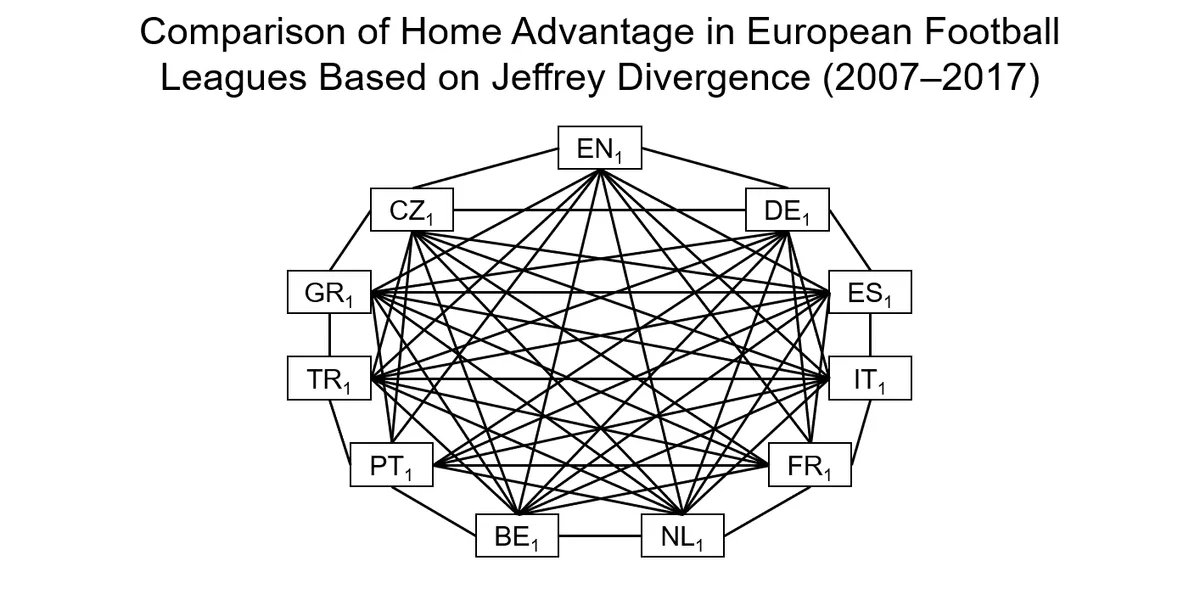
Winning at home is such a pattern in sport that fans treat it as a law of nature. Teams score more and win more often in their own stadium. Why does this happen? The data gives answers that are part psychology, part travel, and sometimes the officials.
Home advantage describes the benefit a home team gains over the visiting team in team sports. It shows up across leagues and continents. Its size and its causes vary more than most fans assume.
The term also comes up in best-of playoff formats. There, one team is set to play one more game at home than its opponent. Even games at a neutral site often give one side special home-team rules. In baseball, for instance, the visiting team always bats first in each inning.
How Big Is the Effect?
The effect is measurable. According to Wikipedia's article on home advantage, a 2006 study by The Times looked at the English Premiership. It found a home team could be expected to score 37.29% more goals than the away team. The gap changes with the quality of the teams involved.
Football history adds weight. The World Cup wins of Uruguay in 1930, Italy in 1934, England in 1966, Germany in 1974, Argentina in 1978, and France in 1998 are all put down in part to hosting. The advantage is also not fixed. It seems strongest in the early years of a new league. In some sports it has grown weaker in recent decades. We covered a connected angle in Kiplimo Wins Third Straight World Cross Country Title in Tallahassee.
Crowds, Travel, and Familiarity
The most cited causes are hard to measure. Home teams know the venue. They sleep at home, not in a hotel. They skip long trips, and they feel the support of their fans. Travel matters too. Visiting teams face new time zones, new climates, and the wear of the road.
Crowd noise can have a direct, physical impact. In American football, home crowds roar when the visiting team is about to run a play. That can make it very hard for the visiting quarterback to call audible play changes. A 2024 study on ice hockey during COVID-19 looked at matches with no spectators. It added evidence on what crowds contribute.
Do Referees Play a Part?
Fans are said to affect players and referees alike, and the referee link is the most debated part. Officials are human. A loud stadium creates pressure that can tilt close calls. These effects are hard to measure, so even their existence is debated.
One research pair, Richard Adams and Susan Kupper, called home-field advantage an expertise deficiency. They showed it shrinks as skill and consistency rise. For elite performers, the venue matters less.
How Sports Try to Cancel It
Leagues know the effect is real, so they design around it. North American playoff series split games between the two sites. The extra game usually goes to the team with the better regular season. In association football, two-legged ties let each team host once. Cup competitions have also used the away goals rule, knowing how hard away wins are. Readers following this should also see World Cup 2026 Opens at Azteca With Mexico Win.
Even so, host status cannot rescue everyone. Canada hosted the 1976 Montreal Olympics and failed to win a single gold medal. No other host country has done that at a Summer Games.
Conclusion: Real, but Shrinking and Complicated
Home advantage is real and measurable. Crowds, travel, familiarity, and maybe officials all play a part. The mix changes by sport, region, season, and division. The effect has weakened in recent decades. Still, the core finding holds. Winning away is harder.
This article is general information, not medical advice. Talk with a qualified healthcare provider or coach about your training.