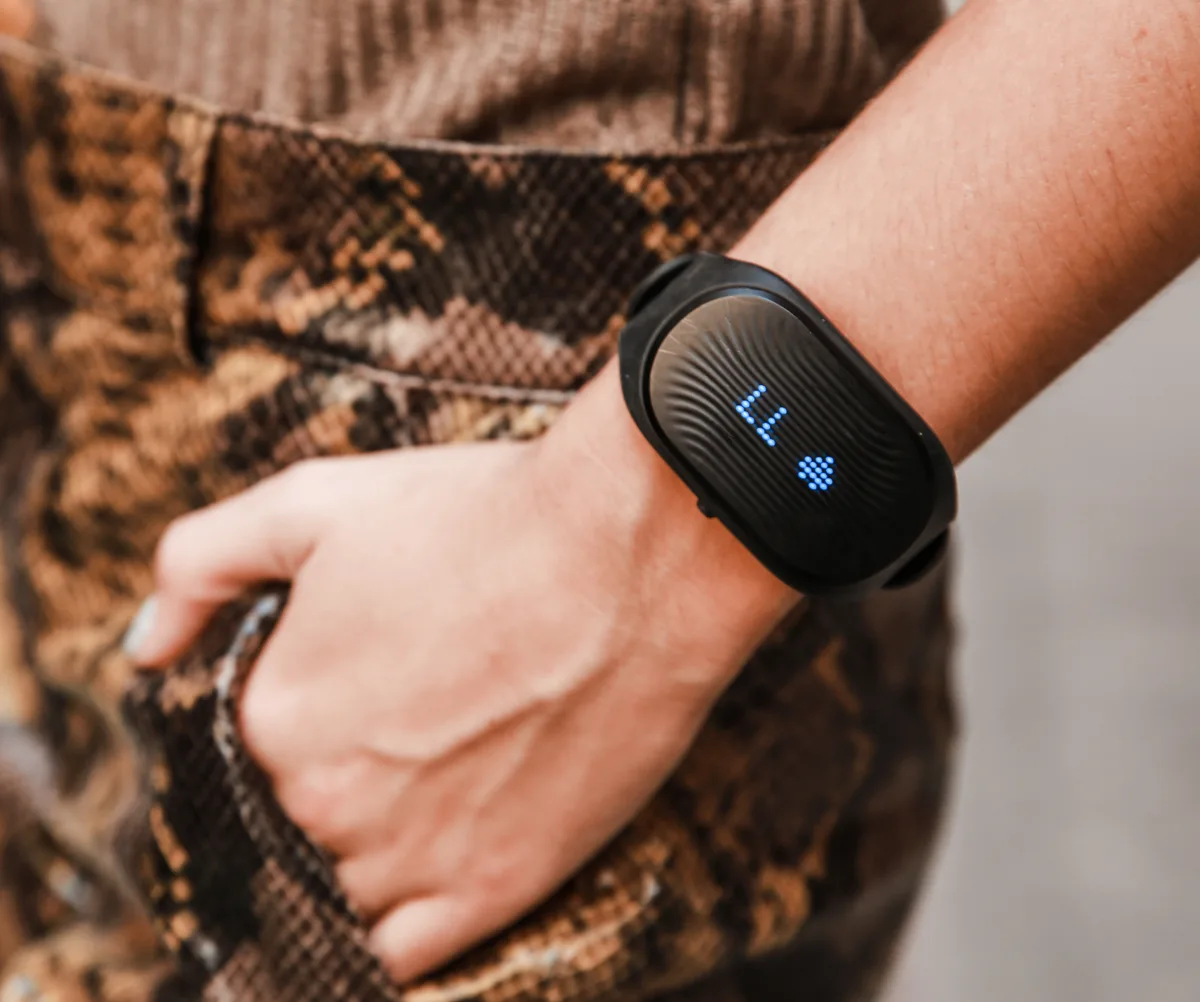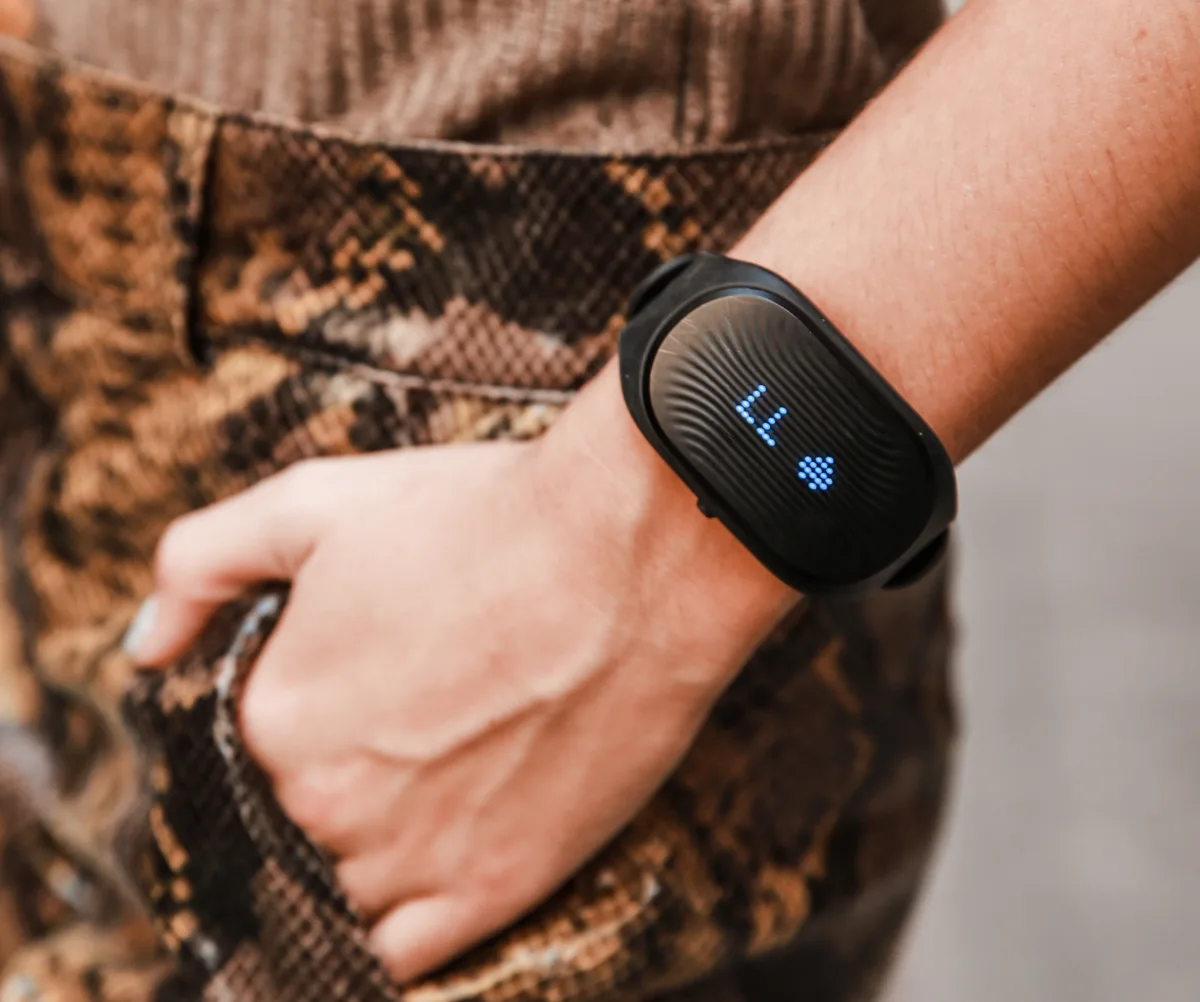
Pick a fitness tracker around one question: which number will you actually act on? Steps, heart rate, and sleep are the big three, and each carries different accuracy. In a 2026 lab test of one smartwatch, heart rate ran an average of 2.73 percent off a chest strap during exercise, while calorie estimates missed by far more.
This guide walks through the choice in order: the metrics that matter, the accuracy to expect, the features worth paying for, and the fit with your week. More evidence-based guides live in the fitness section at Elite Sports Mag.
A tracker is also only one part of a recovery routine. If soreness is your project, the evidence review on foam rolling covers what research says about recovery and range of motion.
Which Metrics Should You Actually Use?
Start from the number you would change behavior for, then buy for that number. Step counts suit a daily-movement goal. Heart rate guides pacing and effort. Sleep data shows patterns over weeks. Know one thing before you shop: most readouts are not direct measurements. A 2026 review in Sensors found many smartwatch metrics are modeled estimates, built from sensor signals, proprietary algorithms, and your user profile. That does not make them useless. It makes them best for trends, not for exact science.
How Accurate Is the Data, Really?
It depends on the metric, and the best test data separates them clearly. In a 2026 PLOS One study, 34 adults ran a maximal treadmill test while wearing a Pixel Watch 3 beside a Polar H10 chest strap. Heart rate averaged 2.73 percent off the strap, a strong result, but the spread was wide at roughly minus 24 to plus 20 beats per minute. VO2 max estimates missed by 8.65 percent on average, and the calorie error swung sharply between people.
The lesson is to grade each metric on its own. A tracker can pace your runs well and still misjudge your morning toast. The Sensors review adds that accuracy varies by device, activity type, and population, so one lab test never settles the whole question.
Can You Trust Sleep and Recovery Scores?
As trends, mostly. A 2026 review of 21 studies on consumer sleep wearables sorted the field into nine strengths and twelve weaknesses. Done carefully, tracking supported sleep self-management. Read casually, the same data invited misinterpretation and poor training calls. Sleep-stage estimates still trail lab sleep studies, and daily recovery scores blend several shaky inputs into one smooth number. Watch the week, not the night, and let a bad score prompt a question rather than a verdict.
Which Features Are Worth Paying For?
Match features to the metric you picked. Built-in GPS earns its cost if pace and routes drive your training. A bright screen and simple buttons matter if you check pace mid-run. Long battery life matters if you sleep-track at night, because a watch on its charger cannot log anything. Waterproofing counts for swimmers.
Two features rarely earn their price. First, extra sensors for data you never check. Second, a subscription dashboard you will not open after week three. Comfort beats both, since a band you forget you wear is the one that collects complete data. Try a band on before buying, ideally with the screen on, because weight and strap feel decide whether the thing stays on your wrist through sleep and long runs.
Conclusion: Buy for the Number You Will Use
Choose one or two metrics, check their accuracy record instead of the marketing page, and weigh comfort and battery life, because a tracker only works if you wear it daily. Read the outputs as estimates rather than lab values. And when a number starts driving real choices about training or health, this is general information, not individualized advice — qualified professionals should guide personal decisions. Readers following this should also see VO2 Max: How to Improve Your Number, According to Science.