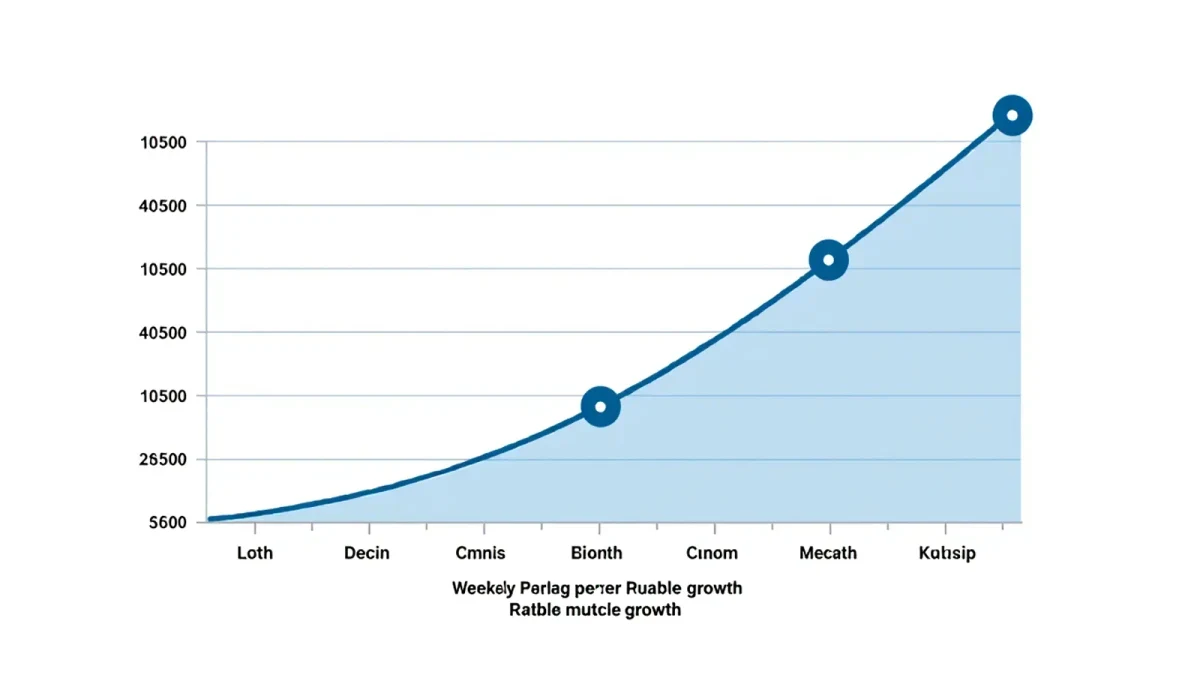
Creatine monohydrate is the supplement most consistently linked to gains in strength and lean muscle when paired with resistance training, according to a 2017 evidence review from the International Society of Sports Nutrition (ISSN). The society's position stand calls it the most effective legal performance supplement available to athletes, though the size of the benefit depends on training status, dose, and how long someone stays on it.
Creatine is not a new discovery — it has been studied in exercise science for more than three decades — but confusion about dosing, safety, and whether it "just adds water weight" still follows it. Here is what the sourced evidence says, and where it stops.
What does creatine actually do in the body?
Creatine is a compound the liver, kidneys, and pancreas produce naturally, with most of the body's supply stored in skeletal muscle, according to the Mayo Clinic. A typical diet supplies only one to two grams a day. Supplementation raises the muscle's phosphocreatine stores, which the body taps to regenerate ATP — the molecule muscle fibers burn for rapid, high-intensity effort.
That mechanism is why creatine's benefits show up mainly in short, explosive work: heavy lifting sets, sprints, jumps. It is not positioned in the sourced evidence as an endurance aid, and neither source describes a meaningful effect on steady-state aerobic performance.
Does creatine improve strength and muscle size?
Yes, according to both sourced reviews, though the two frame the size of the effect differently. The ISSN's 2017 position stand reports that creatine loading produces performance gains of roughly 10 to 20 percent in high-intensity exercise capacity, with consistent increases in strength and lean body mass during resistance training across adolescents, younger adults, and older adults. Healthline's research summary, last updated in 2026, cites a six-week trial in which participants using creatine gained an average of 4.4 pounds more muscle than a comparison group over the same training period.
The ISSN position stand frames these as consistent findings across a large body of resistance-training research rather than results from any single small trial — the kind of distinction that matters when judging how confidently a claim should be read.
How much creatine do researchers recommend?
The ISSN position stand outlines two standard approaches: a short loading phase to saturate muscle stores quickly, or a slower daily dose that reaches the same saturation point over about a month.
| Protocol | Dose | Duration |
|---|---|---|
| Loading phase | 5 g, four times daily (about 0.3 g per kg of body weight) | 5–7 days |
| Maintenance | 3–5 g daily (larger athletes may need 5–10 g) | Ongoing |
| Gradual saturation | 3 g daily | 28 days |
Healthline's review lands on a simpler consumer version of the same range: 3 to 5 grams of creatine monohydrate powder per day. Both sourced accounts describe creatine monohydrate specifically — the form most studied — rather than the newer proprietary variants sold under other names.
Is creatine safe for long-term use?
The evidence reviewed here treats creatine as one of the better-studied supplements on safety grounds. The ISSN position stand states that short- and long-term supplementation, including doses up to 30 grams a day for five years, has been shown safe and well tolerated in healthy individuals and in some patient populations ranging from infants to older adults.
That caveat matters: the sourced safety data covers healthy populations. Neither source extends a safety verdict to people with existing kidney or liver conditions, and this article does not either.
Why does creatine cause weight gain?
Weight gain is the side effect both sourced reviews flag most consistently, and it is not fat gain. The Mayo Clinic identifies it as the primary documented side effect, tied to creatine drawing water into muscle cells alongside the lean-tissue increases described above. Athletes in weight-class sports or anyone tracking body weight closely should treat that water-retention effect as expected, not as a sign something has gone wrong.
Who sees the biggest benefit from creatine?
Both sourced reviews point to the same pattern: people who start with lower baseline creatine levels tend to see the largest response. The Mayo Clinic notes that benefits appear greater for individuals with naturally low creatine stores, citing vegetarians as an example, since plant-based diets supply little to no dietary creatine compared with diets that include meat and fish. The ISSN position stand extends the evidence across age groups, reporting consistent strength and lean-mass gains during resistance training in adolescents, younger adults, and older adults alike — meaning the response is not limited to competitive athletes in their twenties.
Neither source frames creatine as a shortcut that replaces training. In both the ISSN position stand and the Mayo Clinic review, the gains described are gains on top of a structured resistance-training program, not a substitute for one. The supplement raises the ceiling on what a given training block can produce; it does not do the training itself.
What else does the research cover beyond muscle and strength?
The ISSN position stand also flags areas of ongoing research interest beyond straightforward strength and hypertrophy — including recovery, thermoregulation during exercise in heat, and neuroprotective questions such as concussion research and certain neurodegenerative and metabolic conditions. The position stand treats these as areas where research continues rather than settled conclusions, a distinction worth preserving: the strength-and-hypertrophy evidence summarized above is the best-established part of the picture, and the rest is still developing.
Readers making decisions about supplementation, especially with an existing health condition, should talk to a qualified healthcare provider or sports dietitian.