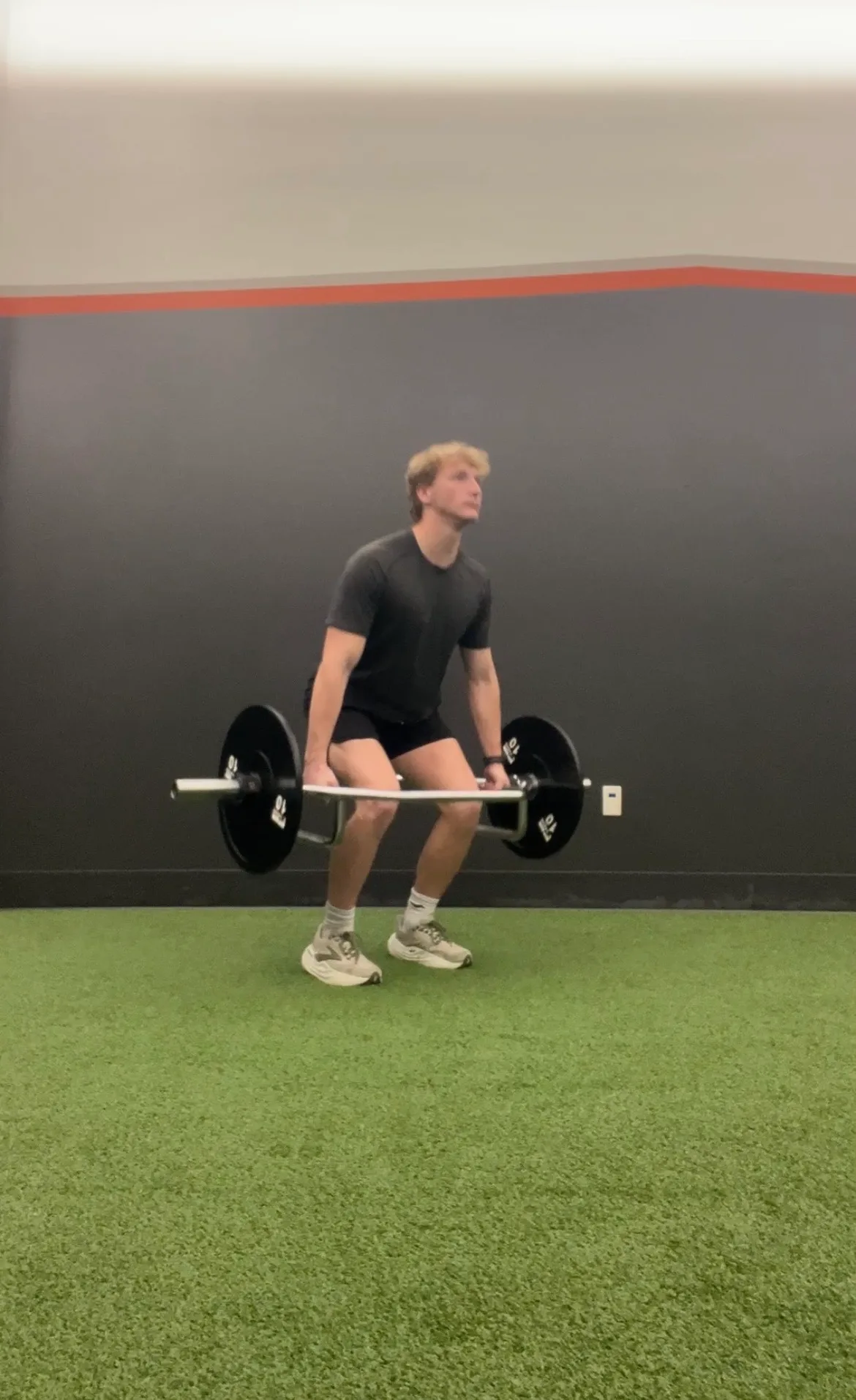
Plyometric training is jump and rebound work that teaches your muscles to produce force fast — and the research says it can improve power, landing mechanics, and injury resilience when it is progressed carefully. The catch is that the same qualities that make it effective make it risky. These are max-effort, high-impact movements, and sloppy landings are where people get hurt.
The good news: the injury risk is a programming problem, not a reason to avoid plyometrics. Master the landing before the jump, keep ground contacts low, and stop the set when quality drops. Done that way, jump training is one of the few tools that builds explosive power, tendon strength, and better shock absorption at the same time. For related coverage, see Rest Between Sets for Strength and Size.
Plyometrics are exercises in which muscles exert maximum force in very short intervals, using a rapid stretch-then-contract action known as the stretch-shortening cycle. As Wikipedia's overview of plyometrics explains, the term covers jumping, bounding, and hopping — but also explosive upper-body moves like plyometric push-ups and medicine-ball throws. The goal is muscular power, sometimes called speed-strength.
What actually happens during a plyometric movement?
Every plyometric rep has three phases, and the middle one decides whether the rep works. First, an eccentric phase: your muscles lengthen as you land or sink into a squat. Then the amortization phase — the brief transition between lengthening and contracting. Finally, the concentric phase, where you explode out.
According to Wikipedia, that transition must be very brief. A slow transition lets stored elastic energy leak away as heat instead of feeding the jump. In Verkhoshansky's original Soviet "shock method," the landing and takeoff happened within roughly 0.1 to 0.2 seconds. That is why a slow, grinding squat jump is not really a plyometric — it is just a jump.
This matters for your programming. If you pause at the bottom of every rep, you are training strength, not the rapid rebound that makes plyometrics distinctive. Both are useful. They are just different adaptations.
Why do plyometrics reduce injury risk — and raise it?
Here is the honest tension. Done properly, progressive plyometric training can lower the chances of injury, especially to the lower leg, ankle, and foot, per Wikipedia. The mechanism is practical: jump training loads tendons elastically and improves landing mechanics, force absorption, and joint stability.
The risk comes from the same impact. As SELF reports, plyometrics carry a higher injury risk than traditional strength training or cardio because they are high-impact and performed at max effort. Coach Keith Hodges told SELF that most injuries happen when the body goes beyond its range of motion without control — for example, landing badly after jumping for a ball in beach volleyball.
The fix is sequencing. Nail the basic strength version of a movement first — lunges before jump lunges, squats before squat jumps. Strength is the chassis; power is the engine bolted on top. If your base strength is thin, start there and treat plyometrics as a later addition rather than a starting point.
What does good landing mechanics look like?
Landing is the skill. Jumping is easy; absorbing force quietly is what protects your knees, ankles, and tendons. The coaching cues from the sources are consistent and simple.
- Land on the mid-foot with knees slightly bent, hips back — a soft, quiet landing. WellFit Insider's guide to plyometric exercises puts it bluntly: if you hear loud impact, reduce jump height and fix the landing.
- Keep the knee aligned over the toes, especially on single-leg hops and lateral work.
- Reset between reps. A fresh, deliberate landing beats a sloppy eighth one.
- Stop the set when jump height or knee control declines. Quality beats quantity — fatigue turns plyometrics into conditioning, and conditioning is not the point.
Box jumps deserve a note here. Landing on an elevated surface reduces landing impact compared with ground jumps, which is why they are a beginner-friendly entry point, as WellFit Insider notes. Choose a height that allows clean landings — power quality matters more than box height.
How much plyometric training should you actually do?
Because every rep is max effort, dosage is low. By definition these are explosive movements, so you should only manage a handful of reps before fatigue sets in. SELF's coaches make a useful distinction: 30 straight jump squats is a conditioning exercise, not true plyometric work.
A practical structure looks like this:
- Warm up thoroughly — plyometrics are not a warm-up themselves at higher intensities.
- Pick one or two explosive movements per session, early in the workout while you are fresh.
- Keep sets short — low reps, full rest between sets, and stop when form degrades.
- Scale intensity before adding volume: low hops and small lateral bounds first, depth jumps last, if at all.
For a fuller progression ladder — from landing holds to bounds to depth jumps — see How to Progress Plyometric Training Safely. And if you are deciding where explosive work fits in a broader plan, the training section covers the programming variables in depth.
Who should be careful with jump training?
Plyometrics scale widely — SELF's trainers describe them as suitable from beginner gym-goers to pros — but scaling is the operative word. Higher body weight, a history of knee or ankle problems, or a long layoff from jumping all argue for a gentler entry: low-intensity hops, box jumps to a low surface, and medicine-ball work, which trains power with less joint stress. WellFit Insider specifically cautions that the shoulder's ball-and-socket joint is vulnerable with weighted explosive moves, so start with a lighter medicine ball.
This article is general information, not medical or training advice. If you have an injury history or health condition, get clearance from a qualified professional before adding high-impact work.
What the evidence supports — and what it doesn't
The case for plyometric training rests on solid ground: it trains the stretch-shortening cycle, builds power and rate of force development, strengthens tendons and supporting tissue, and — progressed properly — improves the shock absorption that keeps you healthy in sport. The benefits carry into daily life, too: SELF's sources point to quicker reactions, easier stairs, and better fall prevention, plus bone and tendon benefits that matter for healthy aging, since power declines rapidly with age if you stop training it.
What the evidence does not support is the idea that plyometrics are risk-free or that more is better. The impact is the tool and the hazard in one package. Keep the reps few, the landings quiet, and the progression slow — consistency beats optimization, and a modest dose done for years outperforms an aggressive block done once.