Training
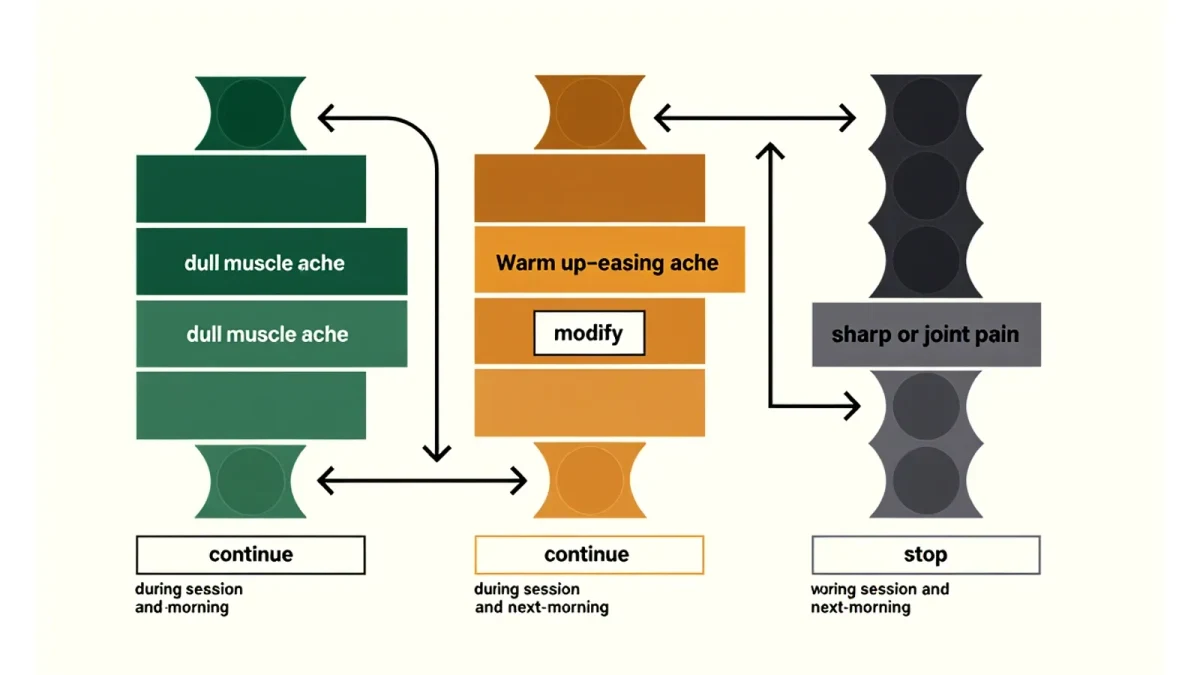
Training With Minor Pain: When to Stop
Mild pain that stays stable can often be trained around; sharp, worsening or joint pain is a stop signal — how the distinction is made.
Programming taken apart variable by variable: volume, intensity, frequency, exercise selection, tempo and the progression models each training age handles.
Mild pain that stays stable can often be trained around; sharp, worsening or joint pain is a stop signal — how the distinction is made.
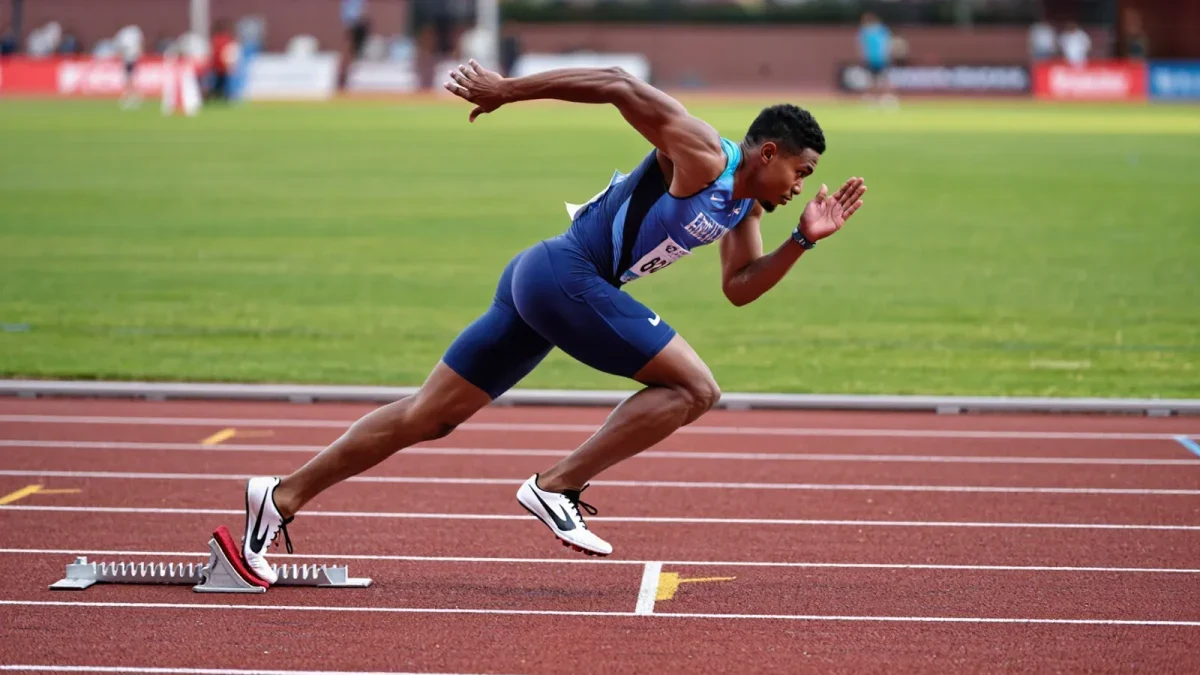
Speed is ground force applied in under a tenth of a second — the mechanics, drills and lifts that change both sides of that equation.

Strength standards describe populations of lifters, not obligations — here is what the tables say and what markers matter more.
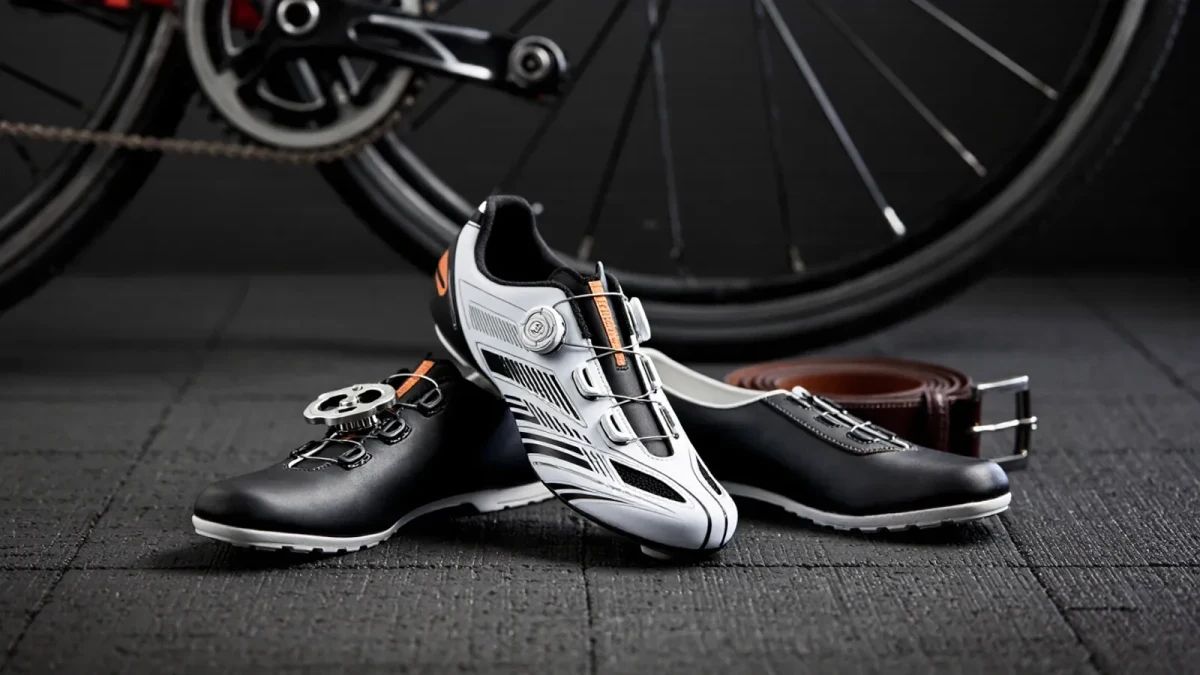
The interference effect is real but smaller than gym lore says — running costs more than cycling, and dose and timing decide most of it.
Single-limb training reaches force that bilateral lifts miss — and handles side-to-side gaps with more precision than most lifters expect.

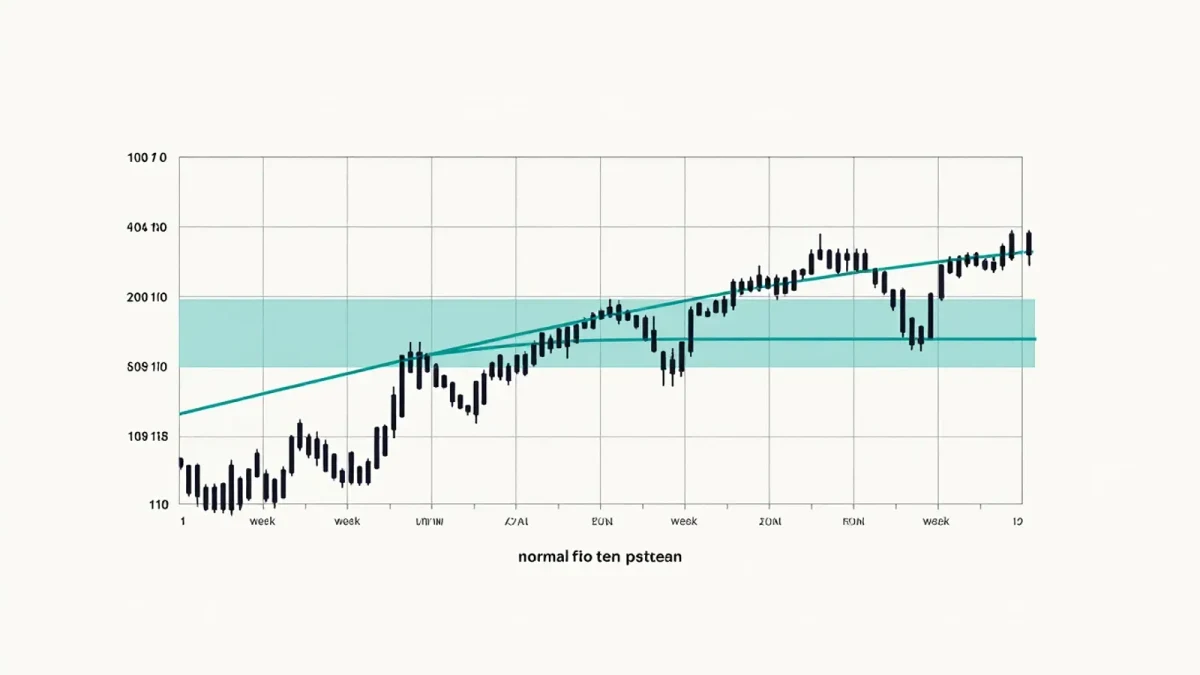
Cut volume 41 to 60 percent, keep the intensity, finish in eight to fourteen days — the evidence-based shape of a taper.