Science
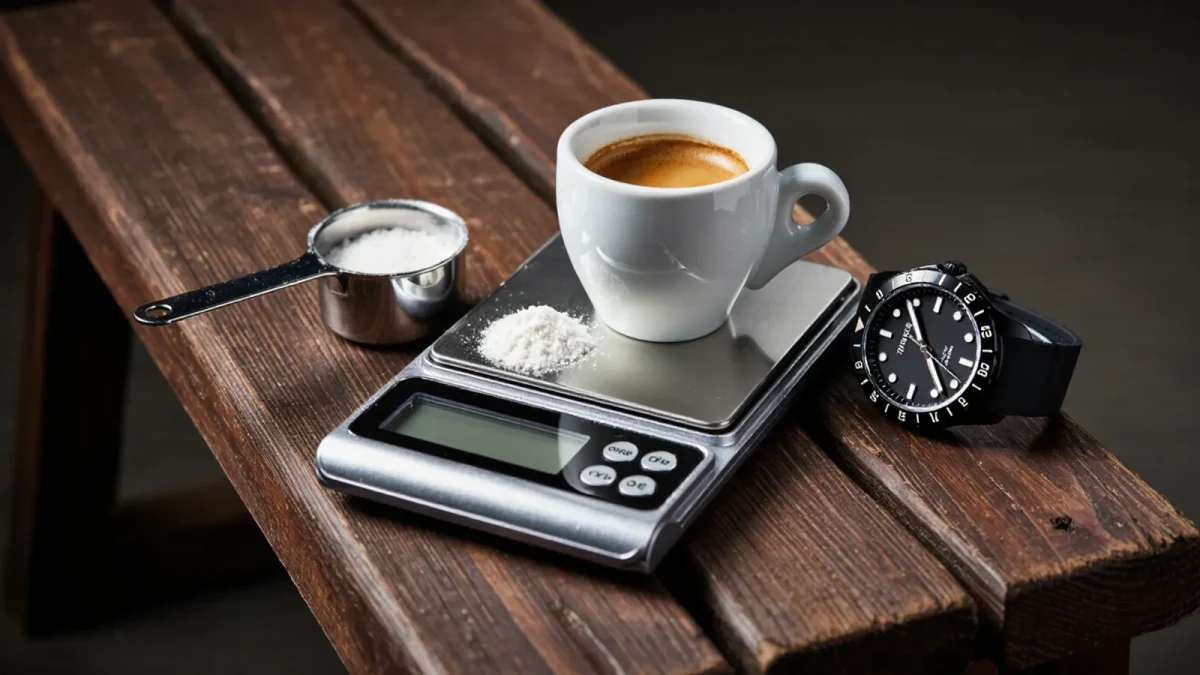
Caffeine and Performance: What Dosing Research Shows
Roughly 3 to 6 milligrams per kilogram of body weight improves endurance and power in most adults — with sleep disruption, not habituation, as the main cost.
Exercise research summarized honestly: muscle physiology, fatigue, sleep, heat and altitude adaptation, with sample sizes and effect sizes given.
Roughly 3 to 6 milligrams per kilogram of body weight improves endurance and power in most adults — with sleep disruption, not habituation, as the main cost.
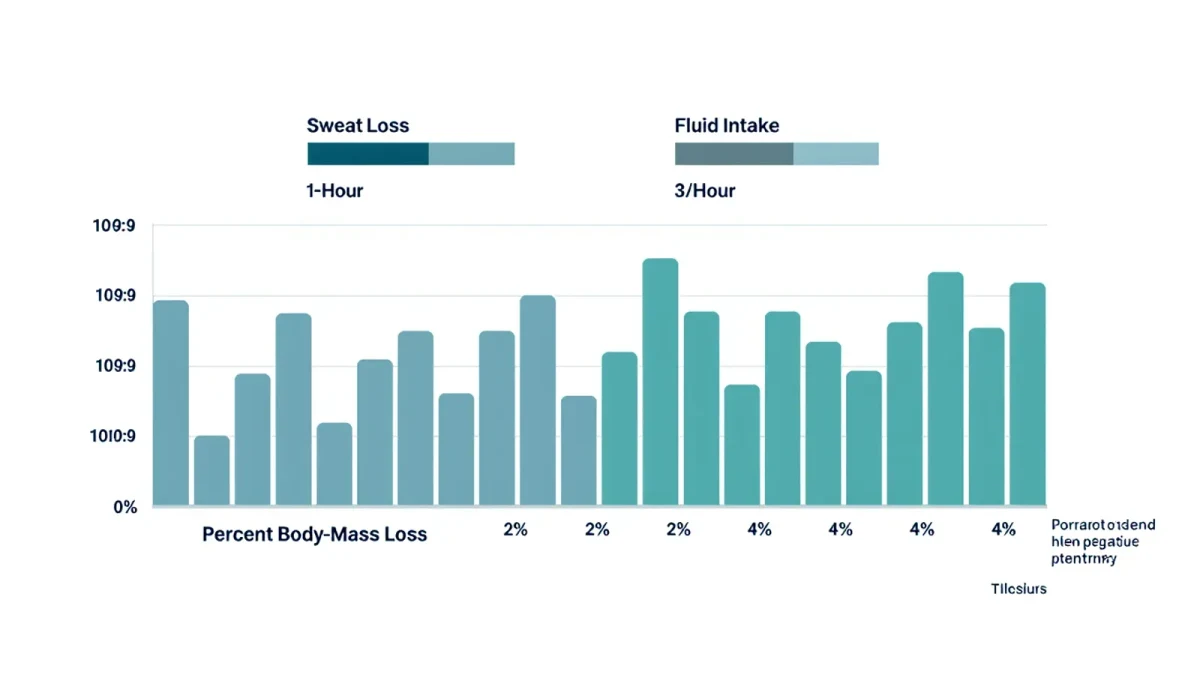
Drinking to thirst covers most training sessions; losing more than about 2 percent of body weight measurably costs performance — and sports drinks solve a narrower problem than their shelf space implies.
EPOC — the post-exercise oxygen consumption behind the afterburn myth — is real, measurable and roughly 6 to 15 percent of the energy your workout burned.
Sleeping high and training low can lift sea-level endurance by a few percent — for responders who log enough hours up, for long enough.
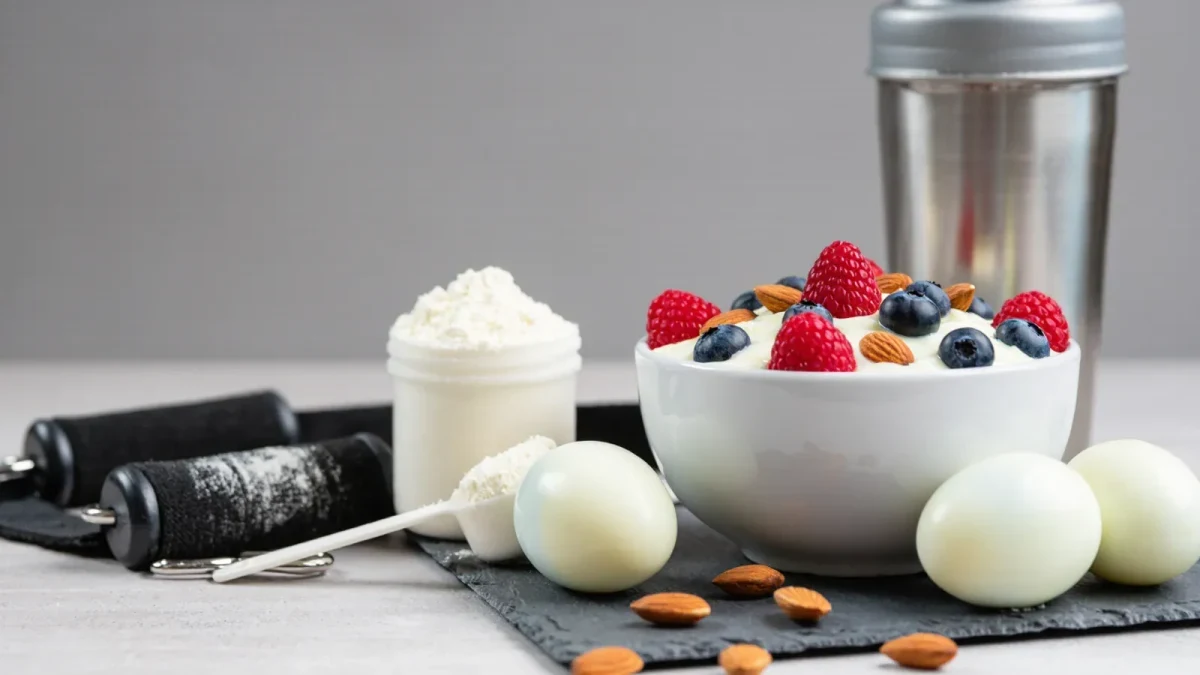
Eating protein soon after training helps, but the window is hours wide — and total daily protein matters far more than any clock.
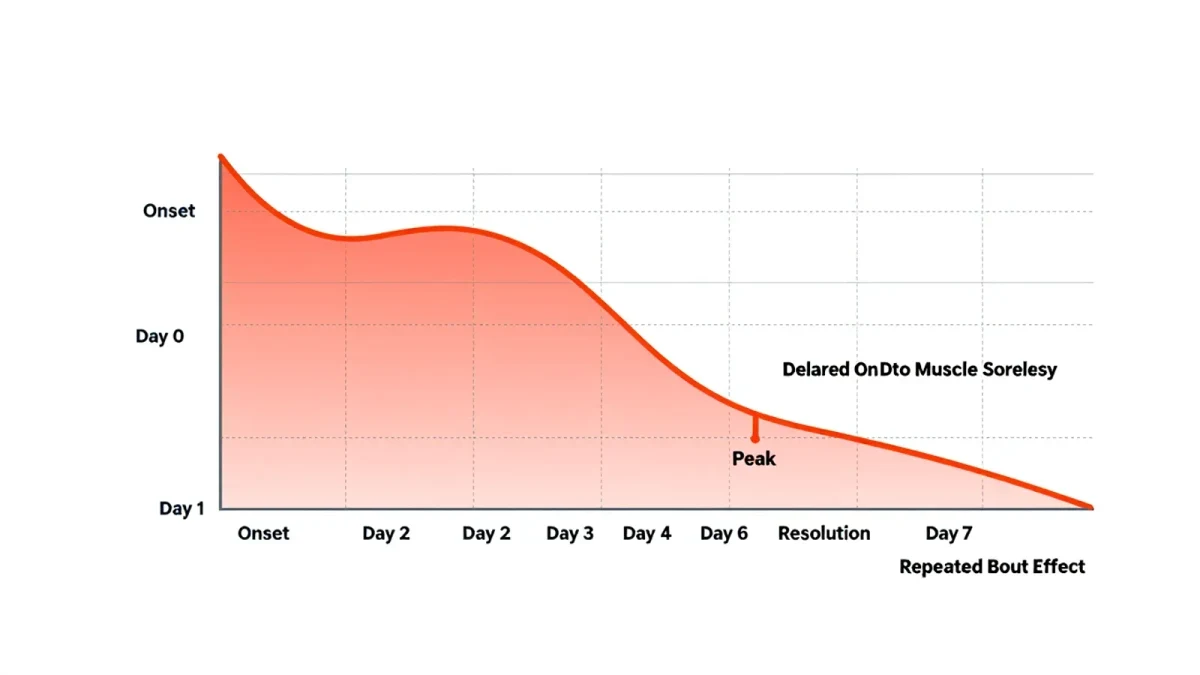
DOMS peaks 24 to 72 hours after unfamiliar exercise, and almost every popular remedy for it has thinner evidence than the soreness itself.